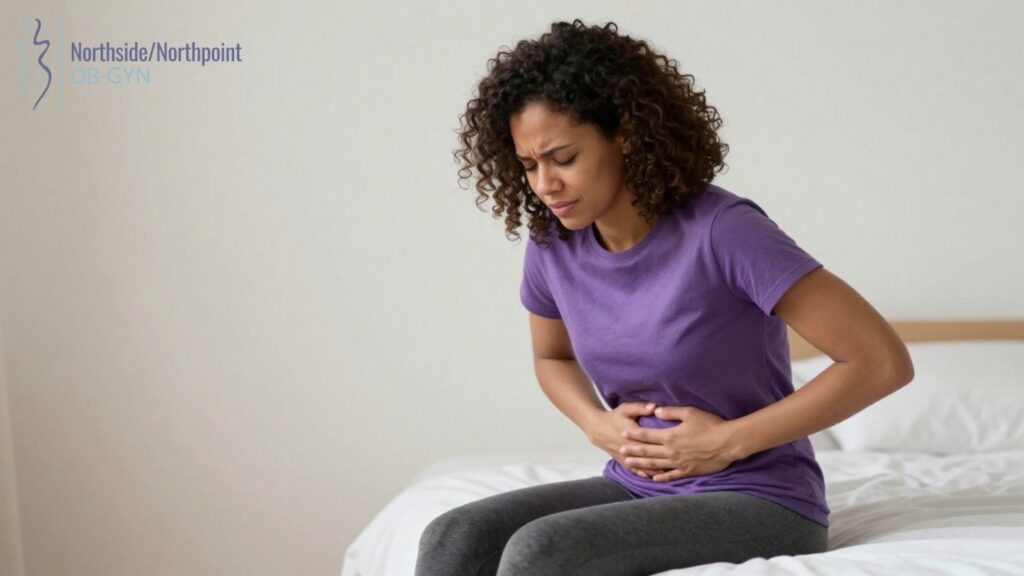
Heavy periods, pelvic pressure, or ongoing fatigue can sometimes point to uterine fibroids. These growths develop in or around the uterus and affect many women by age 50, often during the reproductive years.
Some women notice little to no symptoms, while others experience changes that influence daily routines and overall well-being. Understanding what’s happening in your body gives you clarity to take informed, confident steps forward.
With experienced OBGYN specialists and personalized, compassionate care, you can explore options that support your health and comfort. In this blog, you’ll learn the signs of uterine fibroids, how they’re diagnosed, and the treatment options available.
What Are Uterine Fibroids?
Uterine fibroids are noncancerous growths made of muscle and connective tissue that develop in or around your uterus. They do not increase your risk of uterine cancer. Fibroids can vary in size, from very small to large enough to change the shape of your uterus, which may affect how you feel day to day.
Types of Uterine Fibroids
The location of a fibroid plays a key role in the symptoms you experience and the type of care your OB-GYN may recommend. Fibroids are classified into three main types based on where they grow in relation to the uterine wall:
- Intramural fibroids: Develop within the muscular wall of the uterus and are the most common type. Because they grow inside the wall itself, they can cause the uterus to feel enlarged or heavy as they increase in size. Women with intramural fibroids often notice heavier periods, pelvic pressure, and a sense of fullness in the lower abdomen. Smaller intramural fibroids may produce no noticeable symptoms at all.
- Subserosal fibroids: Grow on the outer surface of the uterus and tend to expand outward rather than into the uterine cavity. Their symptoms depend largely on their size and position. A subserosal fibroid pressing against the bladder may cause frequent urination, while one positioned near the bowel may contribute to constipation or bloating. These fibroids are less likely to affect menstrual bleeding but can cause significant discomfort when they grow large enough to put pressure on surrounding structures.
- Submucosal fibroids: Form just beneath the inner lining of the uterus, extending into the uterine cavity. Even small submucosal fibroids can cause heavy menstrual bleeding, prolonged periods, and the passing of large blood clots. They are the type most commonly associated with fertility challenges, as their position can interfere with embryo implantation and increase the risk of pregnancy complications. Submucosal fibroids are less common than the other types but often produce the most noticeable symptoms relative to their size.
Some women develop more than one type at the same time. Your OB-GYN will evaluate the specific type, size, and number of fibroids present to recommend care tailored to your situation.
Who Is Most at Risk?
Fibroids become more common with age, particularly after 35, and tend to grow during the reproductive years when estrogen and progesterone levels are at their highest. Several factors can increase the likelihood of developing fibroids:
- Family history: One of the strongest indicators. If your mother or sister had fibroids, your own risk is approximately 2 to 3 times higher. Genetic research has identified specific gene mutations linked to fibroid development, which helps explain why fibroids tend to run in families.
- Excess body weight: Contributes to higher circulating estrogen levels, which can stimulate fibroid growth. Women with a body mass index (BMI) above 25 carry a measurably higher risk compared to those at a lower weight.
- Early onset of menstruation: This means a longer lifetime exposure to estrogen and progesterone. Women who began their periods before age 10 face a higher risk than those who started later.
- Low vitamin D levels: Associated with an increased risk of fibroid development in several clinical studies. Vitamin D appears to play a role in regulating cell growth, and deficiency may remove one of the body’s natural checks on fibroid formation.
Research shows that fibroid prevalence, severity, and age of onset vary across racial and ethnic groups. A combination of genetic, environmental, and lifestyle factors, along with differences in healthcare access, may influence who develops fibroids and how they experience symptoms. OB-GYN specialists continue to study these patterns to improve early detection and care for all women.
Signs and Symptoms of Uterine Fibroids
You may learn you have fibroids during a routine pelvic exam, or you may start noticing changes that change how you feel day to day. Paying attention to these signs makes it easier to bring concerns to your OB-GYN early and get the care you need.
Changes in Menstrual Bleeding
Heavy or irregular periods are often the first sign that something has shifted. Fibroids, particularly submucosal ones, can disrupt the normal shedding of the uterine lining, leading to bleeding that is heavier, longer, or less predictable than usual. You may notice:
- Periods lasting longer than seven days
- Bleeding that soaks through a pad or tampon quickly
- Passing large blood clots
- Spotting between cycles
Ongoing heavy bleeding can lead to iron-deficiency anemia. When red blood cell counts drop due to chronic blood loss, the body struggles to deliver adequate oxygen to tissues, which is why women with fibroid-related anemia often feel persistently tired, lightheaded, or short of breath even without obvious exertion. If fatigue has become a constant presence in your life alongside heavy periods, fibroids may be a contributing factor worth exploring with your OBGYN.
Pelvic Pressure and Pain
Fibroids can create a feeling of fullness or heaviness deep in the lower abdomen. Unlike the cramping that comes and goes with a normal period, fibroid-related pressure tends to linger. It often feels like a constant weight or tightness rather than a sharp, passing pain. This discomfort ranges from a dull ache to more noticeable pressure that disrupts normal routines.
Other pain-related symptoms include:
- Lower back pain
- Pain during sexual intercourse
- Cramping outside of menstruation
Sudden, sharp pelvic pain is a different kind of signal. It can indicate fibroid degeneration, a condition where a fibroid outgrows its blood supply and begins to break down. This type of pain tends to come on quickly and may be accompanied by fever or swelling. It warrants prompt evaluation at an OBGYN clinic.
Bladder and Bowel Pressure
When fibroids press on nearby organs, the effects extend well beyond the uterus itself. The bladder and bowel sit in close proximity to the uterus, and fibroids that grow outward can place sustained pressure on both. Over time, even moderate pressure can alter your bathroom habits in ways that feel difficult to explain. You may notice:
- Frequent urination or an urgent need to urinate
- Difficulty fully emptying the bladder
- Urinary retention in more severe cases
- Constipation or bloating
These symptoms can overlap with other pelvic conditions. Urinary incontinence, for example, sometimes shares contributing factors with fibroid-related bladder pressure, making an accurate diagnosis important.
Abdominal Changes
When fibroids grow large or develop in multiples, they can visibly alter the contour of the lower abdomen. The uterus may expand enough that the belly appears rounder or firmer than usual, particularly in the lower half. Some women describe the sensation as similar to early pregnancy.
Clothes may fit differently around the waist, and the abdomen may feel noticeably firm rather than soft when pressed. This symptom tends to develop gradually, which is why some women adjust to it slowly without recognizing fibroids as the cause. It is more common with larger subserosal or intramural fibroids.
RELATED ARTICLE: Urinary Incontinence in Women: What It Is and How It’s Treated
How Uterine Fibroids Are Diagnosed
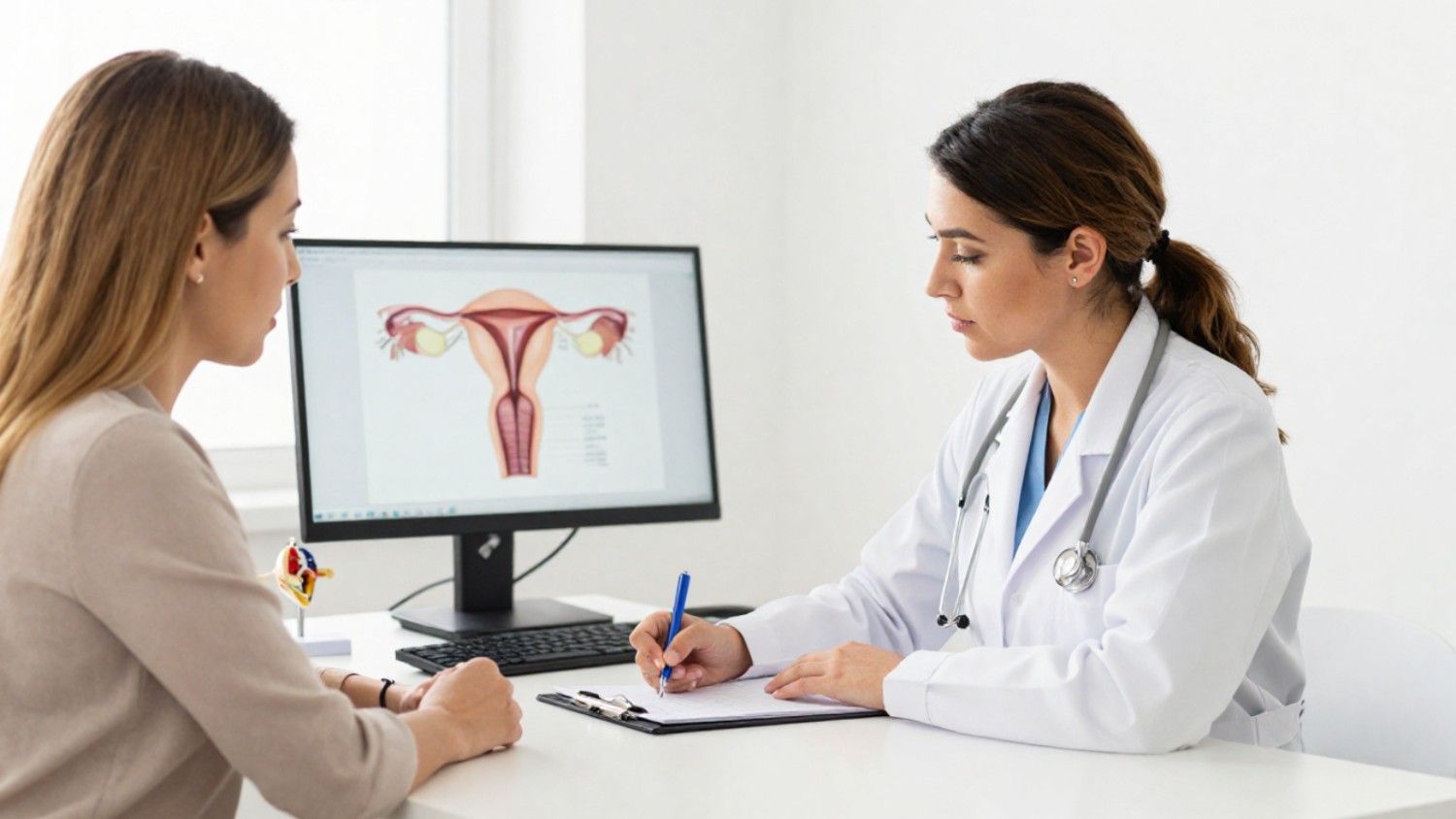
Understanding the size, number, and location of fibroids helps guide the right care for your needs. Your OBGYN will start with a simple evaluation and recommend additional imaging only when more detail is needed.
Pelvic Exam and Initial Assessment
Your OB-GYN may first detect fibroids during a routine pelvic exam by feeling changes in the shape or size of your uterus. They may also order lab work, such as a complete blood count (CBC), to check for anemia or other concerns that may influence your health.
Ultrasound Imaging
Ultrasound is often the first step in confirming fibroids. It gives your OBGYN a clear view of your uterus and helps identify fibroid characteristics that inform next steps:
- Transabdominal ultrasound: Scans through your abdomen to show an overall view of your uterus.
- Transvaginal ultrasound: Uses a small probe for a closer, more detailed look, especially helpful for smaller fibroids.
This approach is safe, non-invasive, and widely used for initial evaluation.
MRI and Advanced Imaging
When ultrasound results are inconclusive or when an OBGYN is planning a surgical procedure, magnetic resonance imaging (MRI) offers a more detailed assessment. It maps fibroid depth, blood supply, and precise location within the uterine wall, which is especially valuable before procedures like minimally invasive surgery.
For women with suspected submucosal fibroids inside the uterine cavity, hysterosonography (saline infusion sonography) or hysteroscopy provides a direct view. Both methods are targeted specifically at evaluating the uterine cavity in greater detail.
LEARN MORE: Pelvic Pain Specialist: When to Seek Expert Evaluation and Treatment
Treatment Options for Uterine Fibroids
Your treatment plan depends on your symptoms, fibroid size, and your personal health goals. A thoughtful approach to OBGYN care supports your comfort and long-term well-being.
Watchful Waiting
If your fibroids are small and not causing symptoms, your OB-GYN may recommend monitoring them over time. Regular visits help track any changes and keep your health on course, especially as you approach menopause, when fibroids often shrink naturally.
Medications
Medications manage symptoms and, in some cases, temporarily reduce fibroid size. They do not eliminate fibroids permanently, but they provide meaningful relief for many women:
- Hormonal contraceptives (birth control pills, progestin IUDs): Reduce heavy bleeding and regulate cycles without shrinking fibroids.
- GnRH agonists and antagonists: Lower estrogen levels, causing fibroids to shrink temporarily. Most often used short-term or as preparation before surgery.
- Non-steroidal anti-inflammatory drugs (NSAIDs): Relieve period pain and cramping. Best suited for managing discomfort rather than addressing the fibroids directly.
Minimally Invasive Procedures
These options treat fibroids while preserving your uterus and offering shorter recovery times:
- Uterine Artery Embolization (UAE): Tiny particles are injected into the blood vessels feeding the fibroids, cutting off their supply and causing them to shrink. Performed by an interventional radiologist, UAE preserves the uterus.
- Radiofrequency Ablation (RFA) / Acessa Procedure: Uses controlled heat to destroy fibroid tissue directly. This outpatient procedure has a short recovery period and is effective for many fibroid types.
- Focused Ultrasound Surgery (FUS): A non-invasive option using high-intensity ultrasound waves to destroy fibroid tissue without incisions. Performed while the patient lies inside an MRI scanner.
Fertility preservation varies across these procedures. A conversation with your OBGYN specialists will clarify which approach fits your reproductive goals and fibroid profile.
Surgical Options
Surgery is appropriate when fibroids are large, numerous, or unresponsive to other treatments:
- Myomectomy: Removes fibroids while keeping the uterus in place for future pregnancy. This is the preferred surgical option for women who want to preserve their fertility. It can be performed laparoscopically, robotically, or through open surgery, depending on how the fibroids present.
- Hysterectomy: Complete removal of the uterus. This is the only permanent cure for fibroids, and it eliminates any chance of recurrence. It is typically recommended for women with severe symptoms who have completed their families or do not wish to preserve fertility. This decision is made thoughtfully and collaboratively with a provider.
When to Contact an OB-GYN About Uterine Fibroids
If your symptoms begin to interfere with your routine or feel outside of what’s normal for you, it’s time to check in with your OB-GYN. Heavy bleeding, ongoing fatigue, pelvic pain, or changes in your bladder or bowel habits are worth discussing with your OB-GYN. Recognizing these changes early gives you the opportunity to take clear, informed action.
At Northside/Northpoint OB-GYN, you receive complete care for women at every stage of life. Our experienced OBGYN specialists use advanced technology and a personalized approach to evaluate your symptoms and recommend care that supports your comfort, safety, and long-term wellness.
With a focus on compassionate, patient-centered care, our team is here to guide you every step of the way. Contact us today to schedule your appointment and take the next step toward feeling your best.