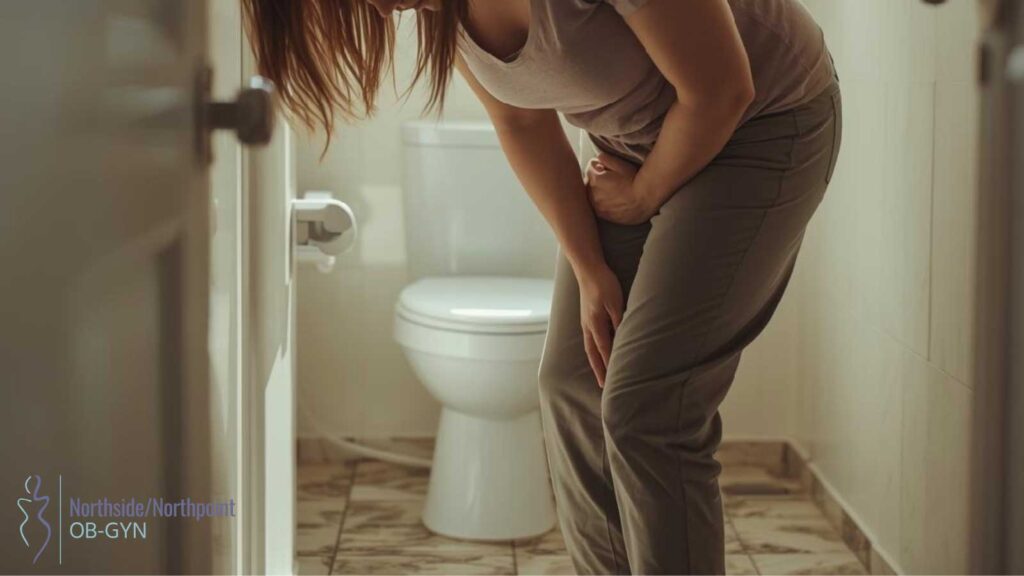
Urinary incontinence affects millions of women, and if you’re experiencing it, you’re not alone. Small leaks during a laugh or sneeze, sudden urges to find a restroom, or planning your day around bathroom access are common experiences that many women face at some point in their lives.
The good news is that urinary incontinence is highly treatable. From pelvic floor therapy and simple lifestyle adjustments to medications and other medical options, there are effective solutions tailored to your specific needs. Understanding what’s causing your symptoms and exploring your treatment options restores comfort and confidence over time.
What Is Urinary Incontinence?
Urinary incontinence refers to the unintentional loss of urine and shows up differently from one woman to another. You may notice small leaks when you sneeze or cough, or you might deal with more frequent accidents that interrupt your workday, sleep, or social activities. Regardless of how mild or severe symptoms feel, bladder leakage often takes a meaningful toll on daily comfort and confidence.
This condition happens when the muscles and nerves controlling bladder function become weakened or overactive. Understanding which type of incontinence affects you guides treatment decisions and improves outcomes.
Stress Incontinence
Stress incontinence happens when physical pressure on the bladder is too much for the muscles holding the urethra closed. The pelvic floor muscles that normally support bladder control can’t maintain their strength during moments of exertion. Activities like coughing, sneezing, laughing, jumping, or lifting create sudden pressure on your abdomen. If the supporting muscles aren’t strong enough, urine can leak involuntarily. The leak usually stops once the pressure subsides.
Urge Incontinence
Urge incontinence occurs when the bladder muscle contracts unexpectedly and forcefully, making it hard to hold urine. You may feel an intense, urgent need to empty your bladder, even if it contains only a small amount of urine. This type of incontinence, often called overactive bladder, can strike suddenly with little warning. Common triggers include hearing running water, unlocking your front door, or feeling cold temperatures.
Mixed Incontinence
Many women experience a combination of stress and urge incontinence. This is known as mixed incontinence and requires a treatment approach that addresses both muscle weakness and bladder overactivity. Your healthcare professional will typically focus on the symptoms that cause the most disruption to your daily life.
What Causes Bladder Control Problems in Women?
Several factors contribute to weakened bladder control, including age, pregnancy, menopause, and other risk factors like excess weight or chronic constipation. Understanding these causes is key to identifying the best treatment options.
Pregnancy, Childbirth, and Pelvic Floor Changes
- Pregnancy: As your baby grows, pregnancy puts significant pressure on your pelvic floor muscles, gradually weakening them and making bladder control more difficult. This added strain reduces muscle strength and bladder support.
- Vaginal Delivery: The muscles and nerves that control urination may stretch or sustain injury during childbirth, disrupting normal bladder control.
- Multiple Deliveries or Prolonged Labor: If you’ve had multiple deliveries, prolonged labor, or large babies, you may be at a higher risk of developing incontinence. Each additional strain on the pelvic floor increases the risk of muscle damage, leading to weakened bladder support.
- Long-Term Effects: Symptoms may appear shortly after childbirth or years later as pelvic muscles continue to lose strength with age.
Working with a pelvic floor therapist after childbirth restores muscle strength and supports long-term bladder health. Addressing these changes early improves long-term outcomes.
Menopause, Aging, and Other Risk Factors
- Declining Estrogen Levels: Lower estrogen levels thin the tissues lining the urethra and vagina, reducing structural support for bladder control.
- Aging: As you age, muscle tone and bladder capacity naturally decrease, reducing your ability to maintain control.
- Excess Weight: Carrying extra weight puts additional pressure on your bladder, which may contribute to incontinence.
- Chronic Constipation: Repeated straining weakens pelvic floor muscles and bladder support.
- Recurrent UTIs: Frequent infections irritate the bladder and heighten urgency.
- Neurological Conditions: When nerve signals don’t communicate properly with the bladder, it becomes harder to recognize and respond to normal urges to urinate.
- Certain Medications: Some medications increase urine production or reduce bladder control.
Addressing menopause-related changes strengthens bladder support and improves daily comfort.
How We Diagnose Urinary Incontinence
Diagnosis starts with a detailed conversation about your symptoms, triggers, and how bladder issues impact your daily life. Sharing when leakage occurs, how often it happens, and which activities worsen symptoms provides critical insight into your condition.
A physical examination assesses pelvic floor strength and checks for contributing conditions like pelvic organ prolapse. Observing bladder response during movement clarifies the source of leakage.
In some cases, urodynamic testing may be needed to measure bladder function more accurately. These tests evaluate how well your bladder stores and releases urine, helping identify the type and severity of incontinence. Keeping a bladder diary for a few days before your appointment can provide valuable insights into your patterns.
The goal is to fully understand your situation so treatment plans match your needs rather than follow a generic approach.
Treatment Options That Work

Effective treatment depends on the type and severity of your incontinence, your overall health, and your personal preferences. Many women experience meaningful improvement with conservative approaches, while others find the best results by combining multiple strategies or exploring medical and surgical options.
Bladder Training and Pelvic Floor Therapy
Bladder training and pelvic floor therapy work together to restore bladder control and muscle coordination. One focuses on retraining bladder habits, while the other strengthens the muscles that support your bladder.
- Bladder Training: This approach uses a structured schedule to gradually extend the time between bathroom visits, reducing urgency and improving bladder capacity over time.
- Pelvic Floor Therapy: This therapy strengthens the muscles that support bladder control. A pelvic floor therapist guides you through exercises such as Kegels, biofeedback, and manual techniques to address muscle weakness and coordination issues.
Together, these approaches restore confidence, improve daily comfort, and support long-term bladder health.
Dietary and Lifestyle Changes
Small habit changes often reduce symptom frequency and severity. These adjustments support other treatments and help maintain long-term improvement.
- Healthy Weight: Reaching and maintaining a healthy weight reduces pressure on your bladder and pelvic structures.
- Limit Bladder Irritants: Avoiding irritants calms bladder sensitivity and urgency. Common irritants include:
- Caffeine (coffee, tea, chocolate, some sodas)
- Alcohol
- Carbonated beverages
- Artificial sweeteners
- Acidic foods (citrus, tomatoes)
- Spicy foods
- Adjust Fluid Intake: Timing fluids reduces nighttime bathroom trips. Drink enough water throughout the day and taper off in the evening to reduce nighttime trips.
- Increase Fiber: Fiber intake prevents constipation and protects pelvic muscles.
ALSO READ: Pelvic Floor Exercises You Can Do At Home
Non-Surgical Medical Therapies
When conservative measures need extra support, several non-surgical medical options target bladder dysfunction directly.
Medications for Overactive Bladder
Prescription treatment options reduce bladder muscle overactivity and ease symptoms such as urgency and frequent urination. Each option works through a different mechanism to address bladder signaling and muscle function.
- Anticholinergics: Options like oxybutynin, tolterodine, and solifenacin block nerve signals that trigger unwanted bladder contractions, helping to control urgency and frequency.
- Beta-3 Agonists: Options such as mirabegron and vibegron relax your bladder muscle through a separate pathway, allowing it to store urine more comfortably.
These treatments lower urgency, frequency, and leakage episodes. However, side effects vary based on the medication and the individual, with dry mouth, constipation, and blurred vision occurring more often with anticholinergics. A healthcare professional can help identify the option that best matches your symptoms and comfort level.
Botox Injections
Botulinum toxin (Botox) injections provide another option for urge incontinence when oral medications aren’t effective. During a quick office procedure, your healthcare professional injects small amounts of Botox directly into the bladder muscle using a cystoscope.
Botox works by temporarily relaxing the overactive bladder muscle, reducing urgency and leakage episodes. The effects usually last six to nine months, after which repeat injections may be necessary. Some women may experience temporary difficulty emptying their bladder completely after the procedure, which your healthcare professional will discuss with you beforehand.
Pessaries and Vaginal Estrogen
Pessaries offer non-surgical support for stress incontinence. These silicone devices fit inside the vagina, supporting the urethra and bladder neck to prevent leakage during physical activity. Your healthcare professional will fit the pessary to your anatomy, and you can remove it for cleaning. Many women find wearing a pessary daily provides excellent results.
Vaginal estrogen therapy can help postmenopausal women dealing with incontinence caused by tissue thinning. Available in forms like creams, rings, or tablets, vaginal estrogen restores tissue health locally without the systemic effects of oral hormone therapy. Healthier urethral and vaginal tissues offer better support and improve bladder function.
Nerve Stimulation and Urethral Bulking
Nerve stimulation therapies can help regulate the nerve signals controlling your bladder function. Sacral neuromodulation involves implanting a small device near the sacral nerves, which sends signals to your bladder. The device delivers mild electrical pulses to help normalize bladder activity. You’ll have a trial period to test its effectiveness before deciding on permanent implantation.
Percutaneous tibial nerve stimulation (PTNS) offers a non-implanted alternative. During weekly office visits, a thin needle is placed near your ankle to deliver electrical stimulation to nerves connected to bladder control. After the initial treatment series, maintenance sessions will help maintain improvement.
Urethral bulking agents can assist women with stress incontinence who want to avoid surgery or have reasons to avoid more invasive procedures. During an office visit, a bulking material is injected around your urethra to improve closure. The procedure takes only a few minutes with minimal recovery time. However, the effects may decrease over time, requiring repeat injections.
Surgical Solutions for Persistent Cases
Surgery may become an option when conservative and non-surgical treatments don’t provide sufficient relief. It’s crucial to review the expected outcomes, potential risks, and recovery timeline with a healthcare professional.
Mid-urethral slings are the most common and effective surgical procedure for stress incontinence. A surgeon places a small supportive mesh strip beneath the urethra to prevent descent during physical activity. This minimally invasive procedure typically allows you to return to normal activities within a few weeks.
Success rates for mid-urethral slings exceed 80% for stress incontinence, with many women experiencing complete resolution of symptoms. Healthcare professionals will help identify the surgical approach that best aligns with your symptoms and goals.
RELATED ARTICLE: Pelvic Pain Specialist: When to Seek Expert Evaluation and Treatment
Take Control of Your Bladder Health Today
Urinary incontinence is a treatable condition, and you don’t have to live with it. There are many solutions available to help you regain control and improve your quality of life.
Northside/Northpoint OB-GYN understands how personal and challenging these issues can be. They create a comfortable, supportive space for you to openly discuss your symptoms and explore the best treatment options. With personalized care and a range of treatment options, they can help you find the right solution for your specific needs.
If you’re ready to take the first step toward better bladder control, schedule a consultation today at the Atlanta or Alpharetta office. Your path to relief begins with a conversation.