
Finding out you’re pregnant brings excitement, questions, and a sudden awareness of what you eat each day. You want to give your baby the best start possible, and nutrition plays a direct role in how your little one grows and develops. The good news? Eating well does not mean eating perfectly. It means understanding what your body needs, prioritizing nourishing foods, and avoiding items that carry risks during pregnancy.
This blog focuses on pregnancy nutrition from the start. It outlines key nutrients, foods to prioritize, items to avoid, and practical meal strategies for days when nausea or fatigue make eating feel difficult. Your OBGYN remains your best partner for personalized guidance, and this blog provides a clear, confident foundation to help you make informed choices throughout pregnancy.
Why Nutrition Matters During Pregnancy
Every choice you make during pregnancy affects how your body adapts and how your baby develops. Nutrients from food support critical processes such as blood production, bone formation, and organ development, while helping your body manage the physical demands of pregnancy. When nutrition falls short, risks increase. Inadequate intake has been linked to neural tube defects, low birth weight, preterm birth, and developmental delays. Consistent, balanced nutrition supports steadier health outcomes throughout pregnancy.
The Nutrients Your Baby Needs Most
Pregnancy increases your body’s demand for specific nutrients. Meeting these needs through food and prenatal vitamins supports healthy development and lowers the risk of complications.
- Folate (600–800 mcg daily): This B vitamin supports early brain and spinal cord formation and lowers the risk of neural tube defects such as spina bifida. Your baby’s neural tube develops within the first four weeks of pregnancy. Leafy greens, beans, citrus fruits, and fortified cereals provide natural folate. Most OB-GYNs recommend a prenatal vitamin with folic acid to help meet daily needs.
- Iron (27 mg daily): Your blood volume increases significantly during pregnancy to deliver oxygen efficiently to your baby. Iron supports this change and helps prevent anemia, which can leave you feeling exhausted and raise the risk of complications near delivery. Lean red meat, poultry, spinach, beans, and fortified grains provide reliable iron sources.
- Calcium (1,200 mg daily): Your baby needs calcium for bone and tooth formation. When your intake runs low, your body pulls calcium from your own bones. Low-fat dairy, fortified plant-based milks, leafy greens, and almonds help maintain adequate levels.
- Protein (70–100 g daily): Protein supplies the building blocks for tissues and organs. A variety of animal and plant-based foods can help you meet this goal (see protein section below).
How Your Calorie Needs Change by Trimester
“Eating for two” doesn’t mean doubling your portions. During the first trimester, you don’t need any extra calories at all. In the second trimester, your body needs about 340 extra calories per day. By the third trimester, that number rises to about 450 extra calories daily.
These calories should come from nutrient-dense foods rather than processed or sugary options. Choices such as Greek yogurt with berries, an apple with nut butter, or an extra serving of salmon at dinner support steady energy without unnecessary excess.
RELATED ARTICLE: Why is Prenatal Care Important?
Foods That Support a Healthy Pregnancy
A pregnancy-friendly plate focuses on balance, variety, and nutrient density. Whole, minimally processed foods from each major food group provide the nutrients your body needs to function efficiently throughout pregnancy.
Fruits and Vegetables for Vitamins and Fiber
Aim for a range of colors on your plate. Different colors signal different nutrients, making variety more effective than relying on one “perfect” food.
- Berries (blueberries, strawberries, raspberries): Provide vitamin C, antioxidants, and fiber that support immune health and digestion.
- Leafy greens (spinach, kale, romaine): Supply folate, iron, and calcium that support early development and bone health.
- Sweet potatoes: Deliver beta-carotene, which your body converts to vitamin A for your baby’s eye and skin development.
- Citrus fruits (oranges, grapefruit): Boost vitamin C intake and improve iron absorption.
- Broccoli: Offers folate, calcium, and fiber in one nutrient-dense serving.
Fiber from fruits and vegetables helps reduce constipation, a common concern as pregnancy hormones and physical changes affect digestion.
Protein Sources for Baby’s Growth
Protein supports the formation of tissues and organs throughout pregnancy. Spreading protein intake evenly across meals and snacks helps your body use it more efficiently and supports steady energy levels.
Animal-based options include:
- Lean beef or pork with visible fat trimmed
- Chicken and turkey breast
- Eggs, fully cooked
- Low-mercury fish such as salmon, tilapia, and cod
Plant-based options include:
- Lentils and chickpeas
- Black beans and kidney beans
- Tofu and tempeh
- Nuts and seeds
- Quinoa, a complete plant protein
Including protein at each meal supports sustained energy and consistent nutrient delivery.
Whole Grains for Sustained Energy
Whole grains support steady energy throughout your day. Refined grains digest quickly, which can cause blood sugar spikes followed by crashes that leave you feeling tired and hungry. Whole grains digest more slowly, help you stay full longer, and support healthy blood sugar levels during pregnancy.
Simple swaps make a clear difference:
- Oatmeal instead of sugary cereal: Provides longer-lasting energy and more fiber, which helps stabilize blood sugar and supports digestion.
- Brown rice instead of white rice: Retains natural fiber and nutrients that help you stay full and support steady energy levels.
- Whole wheat bread instead of white bread: Delivers more B vitamins and fiber to support energy metabolism and digestive health.
- Quinoa instead of couscous: Supplies complete protein and complex carbohydrates that support both your energy needs and your baby’s growth.
Whole grains provide B vitamins, iron, and fiber that refined grains remove during processing. Reading labels helps you spot products labeled “100% whole grain,” so you know you are choosing options that truly support your health.
Dairy and Calcium-Rich Alternatives
Vitamin D helps your body absorb calcium efficiently, making foods that provide both nutrients especially valuable during pregnancy. Many dairy products offer this combination in forms your body uses well.
Recommended options:
- Low-fat milk, including cow’s milk, goat’s milk, or fortified plant-based alternatives
- Greek yogurt, which provides extra protein
- Cheese made with pasteurized milk
- Fortified orange juice
- Calcium-set tofu
If lactose intolerance limits your intake, lactose-free milk or fortified soy and almond milk offer suitable alternatives.
Healthy Fats and Omega-3s for Brain Development
Your baby’s brain develops rapidly throughout pregnancy, and omega-3 fatty acids play a key role in this process. DHA, a specific omega-3, supports brain and eye development and links to improved cognitive and visual outcomes after birth.
Strong sources include:
- Fatty fish such as salmon, sardines, and herring, eaten two to three times per week
- Walnuts and flaxseeds
- Chia seeds
- Avocados
- Olive oil
Choosing low-mercury options allows you to support your baby’s development without increasing exposure risks. Making these fats part of your regular meals supports both your health and your baby’s growth.
ALSO READ: Signs of a Healthy Pregnancy: What Every Mom-to-Be Should Know
Foods and Drinks to Avoid During Pregnancy
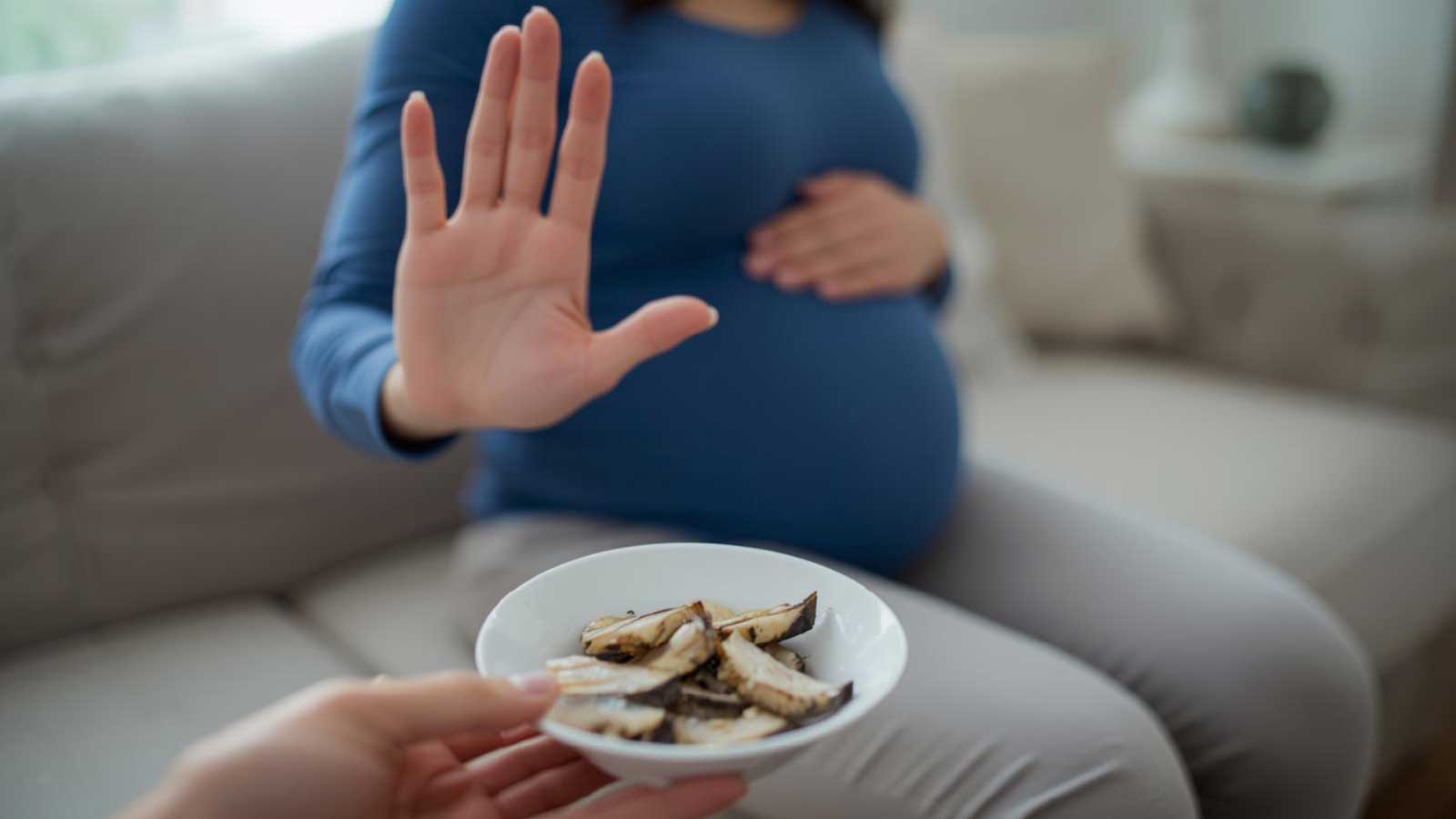
Some foods carry real risks during pregnancy. Illnesses that cause mild symptoms outside of pregnancy can lead to serious complications when you are expecting, including miscarriage, stillbirth, or birth defects.
High-Mercury Fish and Seafood
Mercury builds up in large, long-living fish. When you eat high-mercury seafood during pregnancy, mercury passes through the placenta and can interfere with your baby’s developing brain and nervous system. This exposure has been linked to learning, memory, and movement challenges later in life.
Avoid these fish completely:
- Shark
- Swordfish
- King mackerel
- Tilefish
- Bigeye tuna
Canned light tuna contains lower mercury levels than albacore and can be eaten in moderation, up to 6 ounces per week.
Raw and Undercooked Foods
Pregnancy increases vulnerability to foodborne infections. Bacteria and parasites found in raw or undercooked foods can cross the placenta and cause serious harm.
Avoid the following:
- Raw or rare meat, including beef, pork, and lamb
- Raw or undercooked poultry
- Raw eggs and foods made with them, such as some Caesar dressings, raw cookie dough, and homemade mayonnaise
- Sushi and sashimi with raw fish
- Raw shellfish, including oysters, clams, and mussels
- Unpasteurized milk, juice, and cider
- Soft cheeses made with unpasteurized milk, including brie, feta, queso fresco, and Camembert
Pasteurization eliminates Listeria, making pasteurized products safe during pregnancy.
Deli Meats, Hot Dogs, and Processed Foods
Deli meats and hot dogs can carry listeria even when refrigerated properly, since this bacterium can grow at cold temperatures.
Follow these safety steps:
- Heat deli meats until they are steaming hot
- Cook hot dogs thoroughly until steaming
- Avoid pre-made deli salads such as chicken salad, egg salad, or ham salad
- Limit processed meats due to high sodium and nitrate levels
High sodium intake can increase swelling and may worsen pregnancy-related blood pressure concerns.
Alcohol and Caffeine Limits
- Alcohol: No amount of alcohol is considered safe during pregnancy. Alcohol exposure can cause lifelong physical, behavioral, and learning challenges.
- Caffeine: Moderate caffeine intake appears safe for most pregnancies. Many OBGYN care guidelines recommend limiting caffeine to 200 milligrams per day, which equals about one 12-ounce cup of coffee.
Common caffeine amounts:
- Brewed coffee (8 oz): 95–200 mg
- Black tea (8 oz): 25–48 mg
- Cola (12 oz): 25–50 mg
- Dark chocolate (1 oz): 12 mg
Raw Sprouts and Unwashed Produce
Raw sprouts grow in conditions that allow bacteria to thrive and should be avoided. Wash all fruits and vegetables under running water before eating, scrubbing firm produce to remove surface contaminants.
Practical Meal Planning Tips
Knowing what to eat does not always translate into eating well, especially when fatigue, nausea, or a busy schedule takes over.
Building Balanced Meals Without Overwhelm
The “rainbow plate” approach keeps planning manageable and flexible. Aim to include the following at each meal:
- A protein source
- A whole grain or starchy vegetable
- At least one colorful vegetable or fruit
- A healthy fat
Sample meals:
- Breakfast: Oatmeal topped with berries, walnuts, and a small drizzle of honey.
- Lunch: Grilled salmon over quinoa with roasted broccoli and avocado.
- Dinner: Chicken stir-fry with brown rice, bell peppers, snap peas, and sesame oil.
- Snack: Apple slices with almond butter or Greek yogurt with chia seeds.
Pairing iron-rich foods with vitamin C sources helps improve absorption, such as adding citrus to salads or choosing fortified cereal with fruit.
Managing Nausea and Food Aversions
Nausea often interferes with food choices, especially early in pregnancy. Flexibility matters during this phase.
Strategies that often help:
- Eat small amounts every two to three hours
- Keep crackers or dry cereal by your bed to eat before standing up
- Choose bland, cool, or room-temperature foods if hot meals trigger nausea
- Sip fluids consistently through the day
- Use ginger tea, ginger chews, or ginger ale to calm your stomach
- Eat what feels manageable, even if it does not meet every nutrition goal
Once symptoms improve, you can shift attention back to variety and balance. Until then, keeping food and fluids down supports both you and your baby.
Staying Hydrated Throughout Pregnancy
Hydration plays a direct role in how your body adapts during pregnancy. Water supports increased blood volume, amniotic fluid production, and the delivery of nutrients. As your body works harder, staying well hydrated helps you feel better and supports daily function.
Aim for 8 to 12 cups of water daily, and increase your intake if you stay active or spend time in hot weather. Clear or light yellow usually signals adequate intake, while darker yellow means it’s time to drink more.
If plain water feels unappealing, try adding lemon slices, cucumber, or fresh mint. Herbal teas approved by your OBGYN offer another way to meet your fluid needs. Coconut water and diluted fruit juices can add variety when you need a change.
Keeping a water bottle within reach makes hydration easier. Small, consistent sips often feel more comfortable than large amounts at once, especially if nausea or pressure from a growing uterus affects how much you can drink at one time.
The Role of Prenatal Vitamins
Prenatal vitamins help fill nutritional gaps when meals fall short. They support, but do not replace, a balanced diet.
Look for prenatal vitamins that include:
- Folic acid, ideally 800 micrograms
- Iron, 27 milligrams
- Calcium, noting that some people need a separate supplement
- DHA for brain development
- Vitamin D, 600 IU
- B vitamins
Your OBGYN can recommend a specific prenatal vitamin based on your health history and dietary needs. Taking your vitamin with food helps reduce stomach upset. Avoid pairing it with calcium-rich foods or supplements at the same time, since calcium can interfere with iron absorption.
LEARN MORE: 15 Weeks Pregnant: What You Can Expect at This Stage
Schedule Your Prenatal Nutrition Consultation
Pregnancy nutrition shapes how you feel day to day and supports your baby’s growth from the very beginning. Making informed food choices builds confidence and helps you care for your health during every stage of pregnancy. When questions come up, having clear, trusted guidance makes those daily decisions easier.
At Northside/Northpoint OBGYN in Atlanta and Alpharetta, OBGYN specialists welcome open conversations about nutrition. You can talk through supplements, cravings, food aversions, and eating challenges with a team that understands pregnancy care from every angle. Support goes beyond checkups and ultrasounds and includes practical guidance that fits your life.
Ready to talk through your nutrition questions? Schedule a prenatal visit at our Atlanta or Alpharetta office. We’ll work with you to create a plan that fits your life and supports your baby’s growth.