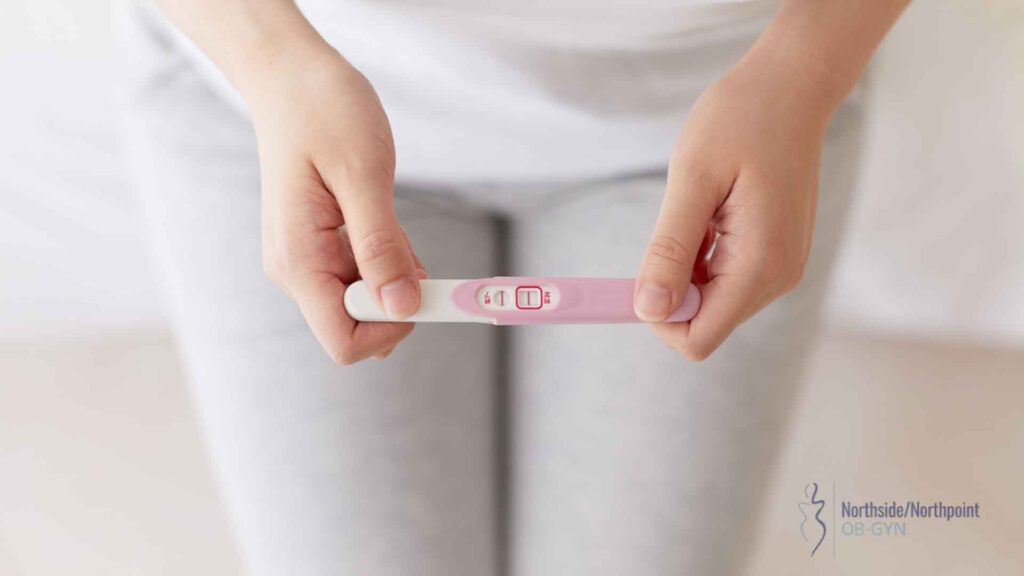
Ectopic pregnancies are rare, occurring in just 1–2% of pregnancies. Though they require prompt attention, with early detection and treatment, most women recover and go on to have healthy pregnancies. The early signs often seem ordinary, which makes ectopic pregnancies especially challenging to detect.
Light bleeding, mild cramping, or fatigue often appear no different from normal early-pregnancy symptoms. Yet, these small warning signs can sometimes point to a medical emergency, and one that requires prompt evaluation and care from an obstetrician doctor.
What Is an Ectopic Pregnancy?
In a normal pregnancy, a fertilized egg travels down the fallopian tube into the uterus, where it implants in the uterine lining and begins to grow. In an ectopic pregnancy, this process goes wrong. Instead of reaching the uterus, the fertilized egg implants somewhere else, most commonly:
- Fallopian tube (tubal pregnancy) – about 90–95% of cases
- Ovary
- Cervix
- Abdominal cavity
- Cesarean section scar
Because these areas lack the space and proper blood supply needed to support fetal development, the embryo cannot survive. More importantly, as it grows, it can damage nearby tissues and cause severe internal bleeding.
What Puts You at High Risk for Ectopic Pregnancy?
Several factors can interfere with the egg’s movement through the fallopian tube, increasing the risk of abnormal implantation. While it can happen to anyone, certain factors make it more likely.
1. Previous Ectopic Pregnancy
A prior ectopic pregnancy increases the chance of another because the affected tube may have scarring or reduced function.
2. Fallopian Tube Damage or Scarring
Infections like chlamydia or gonorrhea, pelvic inflammatory disease (PID), past tubal surgery, or endometriosis can damage or block the tubes, preventing the egg from reaching the uterus.
3. Smoking
Chemicals in cigarettes slow the movement of the egg through the tube and damage its inner lining, increasing the risk of implantation outside the uterus.
4. Fertility Treatments
Procedures like IVF or ovulation-stimulating drugs can raise the risk slightly, especially if the tubes are already damaged.
5. Pregnancy with an IUD
If pregnancy occurs while an IUD is in place, it is more likely to be ectopic. The device doesn’t cause ectopic pregnancy but prevents most uterine implantations, so any rare pregnancy that occurs can be misplaced.
6. Past Pelvic or Abdominal Surgery
Surgeries such as appendectomy, cesarean section, or ovarian surgery can leave scar tissue that changes the tube’s position or shape.
7. Age Over 35
As women age, the fallopian tubes lose some flexibility and ciliary function, which can slow egg movement and increase risk.
8. Structural Differences
Congenital tube abnormalities or nearby fibroids can block or narrow the passage, preventing normal transport of the egg.
9. Untreated Infections (STIs)
Long-term or repeated pelvic infections can create inflammation and scarring in the tubes, making normal implantation less likely.
10. Hormonal or Contraceptive Factors
Pregnancy that occurs while using progestin-only birth control or during hormonal imbalance can delay egg transport, raising the chance of tubal implantation.
Read more: Signs of a Healthy Pregnancy: What Every Mom-to-Be Should Know
Signs and Symptoms
Ectopic pregnancy symptoms often appear within the first trimester, usually between the 4th and 12th week. They can start mild and resemble early pregnancy changes or menstrual cramps, which makes early detection difficult.
- Vaginal Bleeding
Bleeding may be lighter, heavier, or more irregular than a normal period. It can be dark brown or bright red and may start or stop unexpectedly. Any unusual bleeding in early pregnancy should be checked by a doctor. - Abdominal or Pelvic Pain
Pain often occurs on one side of the lower abdomen. It may feel sharp, stabbing, or cramp-like and can come and go. The growing pregnancy stretches or irritates the fallopian tube, causing the pain. - Shoulder-Tip Pain
Pain felt where the shoulder meets the arm can signal internal bleeding. Blood from a ruptured tube irritates the diaphragm, causing this pain, and it’s a serious emergency warning sign. - Lightheadedness or Dizziness
When internal bleeding lowers blood pressure, it can cause faintness, dizziness, or weakness. These symptoms can appear suddenly and require urgent care. - Low Blood Pressure and Rapid Heartbeat
In severe cases, ongoing bleeding can lead to shock, marked by pale skin, confusion, fast pulse, and collapse. This can be a serious condition, and immediate medical attention is necessary to prevent further complications. With timely care, the risk of long-term effects can be minimized.
If you experience sudden or severe pain, especially with dizziness or fainting, it may indicate a ruptured tube, which requires immediate medical care. Immediate treatment is required to prevent life-threatening bleeding.
How OBGYNs Diagnose an Ectopic Pregnancy
When a woman comes to the clinic in early pregnancy with an unusual discomfort , an OBGYN’s first goal is to confirm where the pregnancy is developing. Diagnosis relies on a combination of clinical symptoms, blood tests, and ultrasound imaging.
- Pregnancy test (β-hCG levels) – Measures the hormone human chorionic gonadotropin (hCG), which should rise predictably in a healthy pregnancy. Slower or plateauing levels suggest an abnormal pregnancy.
- Transvaginal ultrasound – Used to visualize whether a pregnancy sac is inside the uterus. If the uterus is empty but hCG levels indicate a pregnancy, an ectopic pregnancy is suspected.
- Pelvic examination – May reveal tenderness or a mass on one side.
- Laparoscopy – In uncertain cases, a minimally invasive surgical procedure allows direct visualization and, if needed, immediate treatment.
Doctors may have difficulty detecting early ectopic pregnancies because the embryo is too small to see on ultrasound. This occurs especially when β-hCG levels are below the 1,500–3,500 mIU/mL “discriminatory zone.”
Your OBGYN will likely repeat β-hCG tests every 48–72 hours and perform follow-up ultrasounds as hormone levels rise. These repeat tests help confirm whether the pregnancy is located in the uterus, developing normally, or likely ectopic without rushing into unnecessary procedures.
Also Read: Common Women’s Health Issues: The Role of an OBGYN
What Are Treatment Options For Ectopic Pregnancy?
The goal of treatment is to remove the ectopic pregnancy safely, and preserve fertility whenever possible. The specific approach depends on the individual case. It includes the patient’s symptoms, stability, hormone levels, and imaging findings, and is determined by an OBGYN.
1. Medical Management (Methotrexate)
For patients who are stable and whose ectopic pregnancy is small with no heartbeat detected, doctors may use methotrexate, a medication that stops cell growth.
- It is given as an injection, usually in one dose.
- Blood tests monitor hCG levels over several days to ensure they decrease.
- If levels don’t drop as expected, a second dose or surgery may be necessary.
- Patients are advised to avoid alcohol, folic acid supplements, and strenuous activity during recovery.
2. Surgical Management
In some cases, if the pregnancy has ruptured or medical management isn’t suitable, surgery may be necessary.
- Laparoscopic surgery is most common and involves removing the ectopic tissue through small incisions.
- Salpingectomy: removal of the affected fallopian tube (if severely damaged.
- Salpingotomy: opening the tube to remove the pregnancy while preserving the tube, used in certain cases.
In emergencies or when there’s heavy bleeding, an open abdominal surgery (laparotomy) may be needed.
3. Expectant Management (Observation)
In rare cases, if the pregnancy is already resolving naturally and hCG levels are dropping, doctors may choose to monitor closely rather than intervene immediately. This requires frequent blood tests and strict precautions.
Recovery and Follow-Up Care
Healthcare providers monitor hCG levels until they return to zero to confirm that all pregnancy tissue has been removed. Recovery time depends on whether you receive medical or surgical treatment.
During recovery:
- Rest and avoid heavy physical activity for a few weeks.
- Wait at least one full menstrual cycle before trying to conceive again (longer if methotrexate was used).
- Discuss contraception and future pregnancy planning with a healthcare provider.
- Emotional recovery is equally important, support groups or counseling may help.
Future Fertility and Prevention
Most women can have healthy pregnancies after experiencing an ectopic pregnancy. However, the risk of recurrence is higher, around 10–20% depending on the condition of the remaining tube.
To reduce risks in the future:
- Get prompt treatment for pelvic infections.
- Avoid smoking.
- Seek early prenatal care for any future pregnancy, including an early ultrasound to confirm implantation inside the uterus.
If both tubes are damaged or removed, in vitro fertilization (IVF) may still allow conception since it bypasses the fallopian tubes.
Taking the Next Step in Your Pregnancy Journey
A trusted OBGYN can help design a treatment plan that fits your individual health needs while ensuring your safety and long-term fertility. Communicating openly and regularly with your doctor helps ensure early detection and effective management.
For expert guidance and compassionate care, schedule an appointment with Northside/Northpoint OB-GYN and take proactive steps toward your reproductive health.