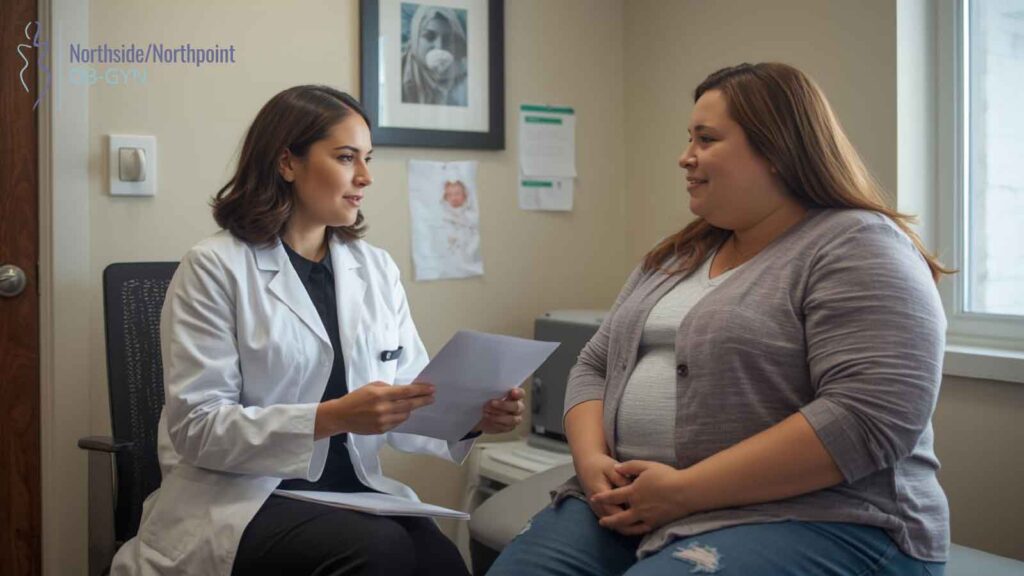
Yes, your OBGYN can prescribe Ozempic for weight management when it fits your health needs. Ozempic (semaglutide) is a GLP-1 receptor agonist medication originally approved for Type 2 diabetes that also supports significant weight loss. OBGYN specialists are qualified to evaluate whether this medication is appropriate and may recommend it when weight affects hormone balance, fertility, or long-term health.
Many women feel surprised to learn that weight management can be part of gynecologic care. Your provider considers how weight interacts with metabolism, menstrual cycles, and pregnancy planning when discussing treatment options. This blog explains how OB-GYNs approach Ozempic prescribing, who may qualify, and what to expect if weight management becomes part of your care plan.
Why OB-GYNs Are Well-Positioned for Weight Management
Your OBGYN brings a broad understanding of women’s health that extends beyond routine exams and pregnancy visits. Weight often affects hormones, menstrual cycles, fertility, and long-term risks, such as diabetes and heart disease. This perspective allows weight management discussions to stay grounded in the medical context rather than isolated numbers.
If you manage conditions like polycystic ovary syndrome (PCOS) or plan for pregnancy, existing knowledge of medical history, prior labs, and reproductive goals shapes more informed recommendations. Conversations about weight feel connected to ongoing care, not separate from it.
Addressing weight during a routine visit can remove delays and support timely decisions, guided by an OBGYN who understands how metabolic health fits into your overall wellness.
Off-Label Prescribing Explained
When your OB-GYN prescribes Ozempic, it helps to understand how off-label use works.
Ozempic (semaglutide) received FDA approval for treating Type 2 diabetes. During the Semaglutide Treatment Effect in People with Obesity (STEP) clinical trial program, researchers observed consistent and clinically significant weight loss among participants. These findings later supported the development of Wegovy, a higher-dose formulation approved for chronic weight management in 2021.
When an OBGYN specialist prescribes Ozempic for weight management instead of diabetes, the medication remains the same. Only the treated condition differs. Off-label prescribing is a standard medical practice when clinical evidence supports safety and effectiveness.
Who Qualifies for Ozempic Prescriptions
Ozempic is not appropriate for everyone, and your OBGYN reviews your health carefully before recommending it. Eligibility depends on measurable health criteria rather than interest alone. Your provider evaluates whether this medication fits your situation based on established guidelines.
BMI and Health Condition Requirements
Eligibility for GLP-1 medications such as Ozempic often includes one of the following:
- A BMI of 30 or higher, which falls within the medical definition of obesity
- A BMI of 27 or higher with at least one weight-related health condition
Weight-related conditions that may support eligibility include:
- High blood pressure (hypertension): Excess weight increases strain on your heart and blood vessels, raising long-term cardiovascular risk.
- Elevated cholesterol or triglycerides: Weight loss can improve lipid levels and support heart health.
- Type 2 diabetes or prediabetes: GLP-1 medications help regulate blood sugar and improve insulin response.
- Obstructive sleep apnea: Weight reduction can lessen airway obstruction and improve sleep quality.
- Cardiovascular risk factors: Managing weight helps reduce strain on the heart and lowers future disease risk.
Your OBGYN care team reviews these factors together rather than relying on rigid cutoffs.
Women’s Health Conditions That May Support Eligibility
Some gynecologic and hormonal conditions strengthen the medical rationale for weight management support:
- Polycystic ovary syndrome (PCOS): PCOS often involves insulin resistance that promotes weight gain, which then worsens hormone imbalance. Medical weight support can help interrupt this cycle and improve symptoms.
- Fertility challenges: When weight affects ovulation or pregnancy outcomes, weight management may support reproductive goals as part of a coordinated care plan.
- Perimenopause and menopause: Hormonal changes during this stage can slow metabolism and shift fat distribution. Addressing weight may help ease related symptoms and support overall health.
How these conditions relate to treatment benefits is addressed in more detail below.
ALSO READ: Common Women’s Health Issues: The Role of an OBGYN
How Ozempic Supports Women’s Health Goals
Ozempic belongs to a class of medications called GLP-1 receptor agonists. These medications mimic a hormone your body releases after eating, which helps regulate appetite and blood sugar.
Understanding how this process works explains why Ozempic can support health goals connected to metabolic and hormonal balance.
Appetite Regulation and Metabolic Effects
Semaglutide supports weight loss through several coordinated actions:
- Signals fullness to your brain, helping you feel satisfied sooner
- Slows digestion so food stays in your stomach longer and portions feel more filling
- Improves insulin sensitivity, allowing your body to manage blood sugar more effectively
- Reduces cravings, including those for high-calorie foods
Clinical studies from the STEP trial program show that patients using semaglutide alongside lifestyle changes often lose 15–20% of their starting body weight. These effects can help when diet and exercise alone have not produced results.
PCOS and Hormonal Balance Improvements
If you live with PCOS, GLP-1 medications address the metabolic root of the condition rather than individual symptoms.
As insulin resistance improves and weight decreases, many women notice:
- More regular menstrual cycles
- Improved or restored ovulation
- Reduced acne and excess hair growth
- Better energy and mood balance
- Lower risk of developing Type 2 diabetes
This approach aligns with comprehensive OBGYN care that treats interconnected hormonal and metabolic factors together.
Fertility and Pre-Pregnancy Considerations
Reaching a healthier weight before pregnancy supports safer outcomes for both you and your baby. Excess weight increases the risk of gestational diabetes, preeclampsia, and cesarean delivery. Weight management before conception helps reduce these risks.
For women trying to conceive, even modest weight loss may help restore ovulation, particularly when insulin resistance plays a role.
Current guidance recommends stopping Ozempic at least two months before attempting pregnancy. Family planning conversations help establish a safe and realistic timeline.
What to Expect During Your Evaluation

Discussing weight can feel uncomfortable. In a supportive OBGYN clinic, these conversations focus on care and medical context rather than judgment. You may raise the topic during an annual visit or schedule a dedicated appointment.
Medical History and Lab Work
Before prescribing any weight management medication, your OBGYN completes a careful evaluation. This step reflects the same thoughtful process used before starting any new treatment.
Expect your OBGYN to review:
- Your complete medical history and current medications
- Family history of thyroid conditions, particularly medullary thyroid carcinoma
- Past weight-loss attempts and what has or has not worked for you
- Your current eating habits and activity level
- Any history of eating disorders
Lab work typically includes tests for:
- Fasting blood glucose and HbA1c: To assess how your body manages blood sugar.
- Thyroid function: To rule out thyroid conditions that affect weight and metabolism.
- Kidney function: To confirm the medication is safe for your system.
- Lipid panel: To evaluate cholesterol and triglyceride levels tied to heart health.
- Vitamin levels: To identify deficiencies that can slow metabolism or affect energy.
These results guide safe prescribing and establish baselines for progress.
Dosing and Monitoring Approach
Ozempic treatment begins at a low dose and increases gradually over several weeks. This step-by-step method helps your body adjust and reduces early side effects.
A typical dosing schedule includes:
- Weeks 1-4: 0.25 mg weekly (starting dose)
- Weeks 5-8: 0.5 mg weekly
- Weeks 9+: 1.0 mg weekly (maintenance dose for most patients)
- If needed: 2.0 mg weekly (maximum dose)
Your OBGYN schedules follow-up visits to check how you feel, review progress, and adjust dosing when needed. Medication works best when paired with sustainable nutrition and movement habits.
Safety Considerations and Side Effects
Most side effects affect the digestive system and improve as your body adapts. You may notice:
- Nausea, often when starting or increasing the dose
- A reduced appetite, which supports weight loss
- Mild stomach discomfort, constipation, or diarrhea
- Temporary fatigue during early treatment
Eating smaller meals, avoiding high-fat foods, and staying hydrated help minimize these effects. Most patients find symptoms improve within the first month or two.
Serious but rare risks include:
- Pancreatitis (inflammation of the pancreas): Contact your OBGYN immediately if you experience severe, persistent abdominal pain that may radiate to your back.
- Gallbladder problems: Weight loss medications may increase the risk of gallstones. Report persistent abdominal pain, nausea, or yellowing of the skin (jaundice) to your OBGYN.
- Thyroid tumors: Ozempic carries a boxed warning related to thyroid tumors observed in animal studies. It is not prescribed to patients with a personal or family history of medullary thyroid carcinoma or Multiple Endocrine Neoplasia syndrome type 2.
For patients not planning pregnancy, contraception may be discussed since the medication must be discontinued before conception.
RELATED ARTICLE: How Frequently Should Women Schedule Gynecological Checkups?
Other Providers Who Prescribe Ozempic
OBGYN specialists are not the only clinicians who can prescribe GLP-1 medications like Ozempic. Depending on your health needs and where you receive care, you may also discuss treatment with:
- Primary care physicians: Often manage general health concerns and may prescribe Ozempic as part of routine weight or metabolic care.
- Endocrinologists: Focus on hormone and metabolic disorders and commonly treat complex cases involving diabetes or insulin resistance.
- Obesity medicine specialists: Concentrate specifically on medical weight management and long-term treatment strategies.
- Nurse practitioners and physician assistants: May prescribe Ozempic when licensed to do so and working within a collaborative care model.
Each provider offers a different perspective. When your weight concerns connect to hormonal changes, menstrual health, fertility, or pregnancy planning, an OBGYN brings added insight. This background allows your care to stay coordinated, personal, and aligned with your broader women’s health goals.
Talk to Our Atlanta and Alpharetta OB-GYN Team About Ozempic
Your OBGYN can play a meaningful role in weight management, especially when your goals connect to hormone health, PCOS, fertility, or long-term wellness. With proper evaluation and close follow-up, Ozempic offers a medically supervised option that addresses the metabolic factors that often make weight loss difficult.
At Northside/Northpoint OB-GYN, our experienced OBGYN specialists provide personalized care that addresses your complete health picture. We take time to answer your questions thoroughly, conduct careful evaluations, and create plans tailored to your individual needs and lifestyle.
Ready to find out if Ozempic is right for you? Contact us to schedule an appointment at our Atlanta or Alpharetta office. You can discuss weight management during your annual well-woman exam or request a visit focused specifically on this topic. Our gynecology services are here to support your health at every stage.
NEXT READ: What Screenings Do Women Need at Every Age?